International Heritage Projects and Research Experience
Dr. Abdelrhman Fahmy has worked across Egypt, Sudan, and Europe on a wide range of archaeological sites, monuments, museums, and cultural landscapes. His research focuses on understanding the durability of historic materials, ancient construction technologies, deterioration processes, and evidence-based conservation strategies. Through interdisciplinary approaches that combine archaeology, geology, and conservation science, he has contributed to the study and preservation of some of the world’s most significant cultural heritage sites.
Archaeological Sites and Monuments
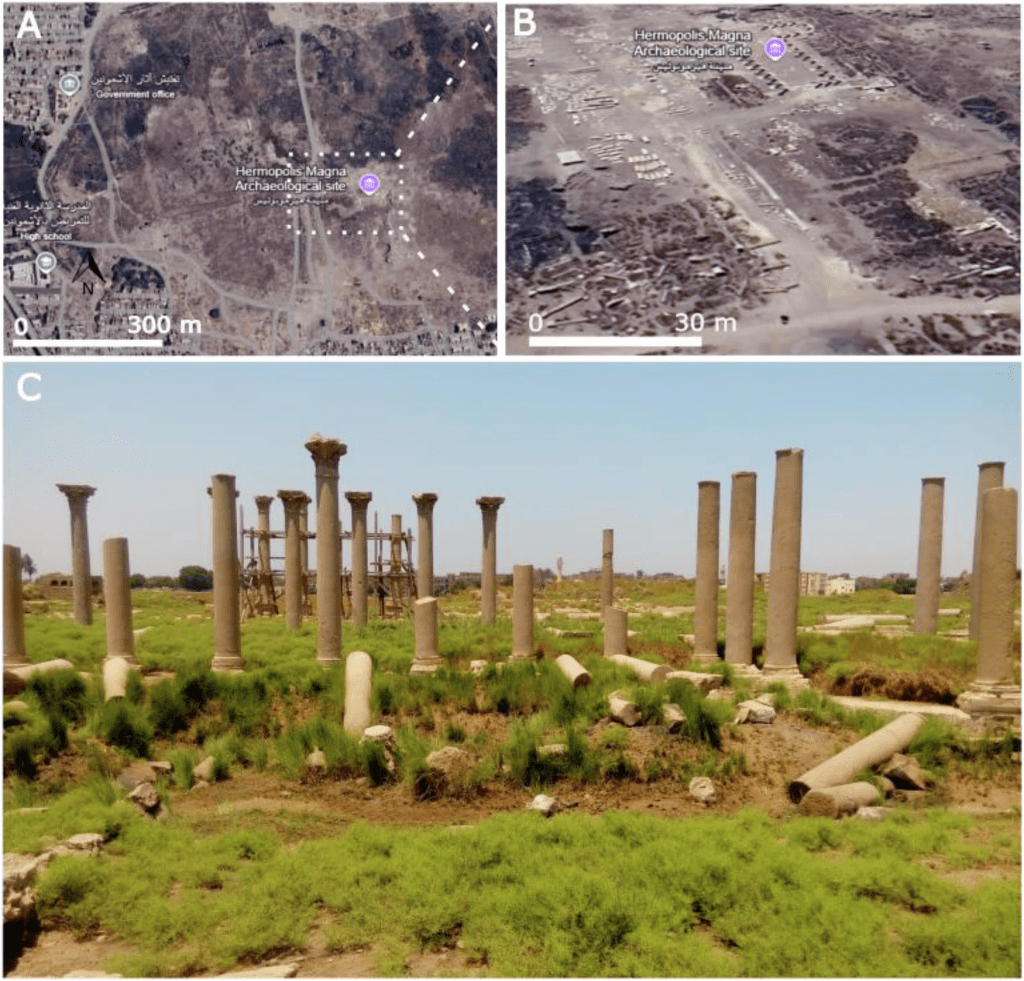
1. El-Ashmunein Archaeological Site, Egypt
El-Ashmunein, the ancient city of Hermopolis Magna, was one of the most important religious centers of Ancient Egypt and the cult center of the god Thoth. Conservation and material characterization studies focused on the deterioration of limestone and sandstone structures, the identification of decay mechanisms, and the evaluation of environmental factors affecting the preservation of the site’s archaeological remains.
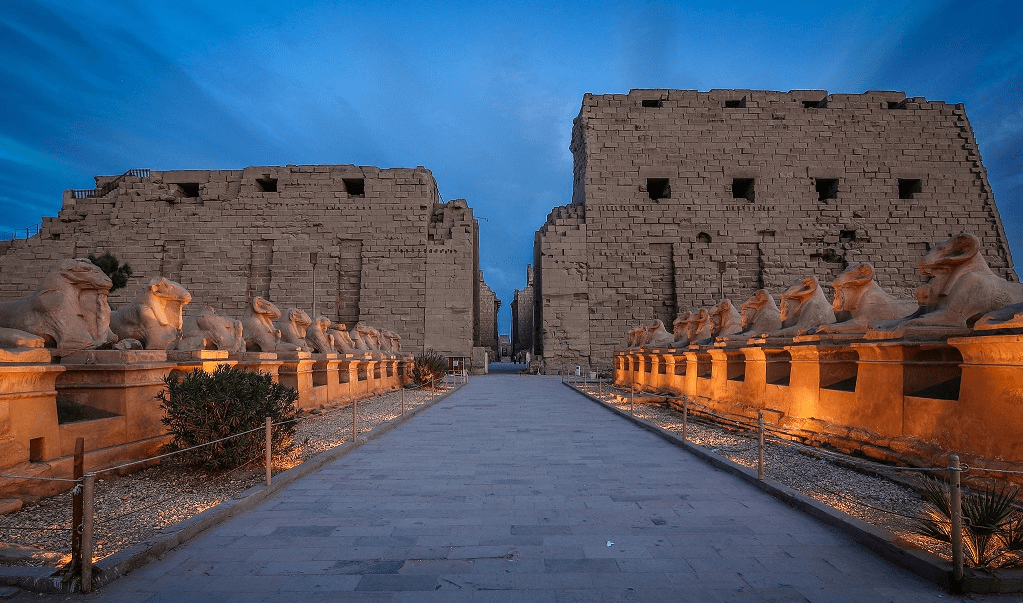
2. Karnak Temples, Luxor, Egypt
The Karnak Temple Complex is one of the largest religious monuments ever constructed, developed over nearly two millennia by successive Egyptian rulers. Conservation and material characterization studies investigated sandstone weathering, salt crystallization, and deterioration processes affecting monumental architecture, reliefs, and decorated surfaces.
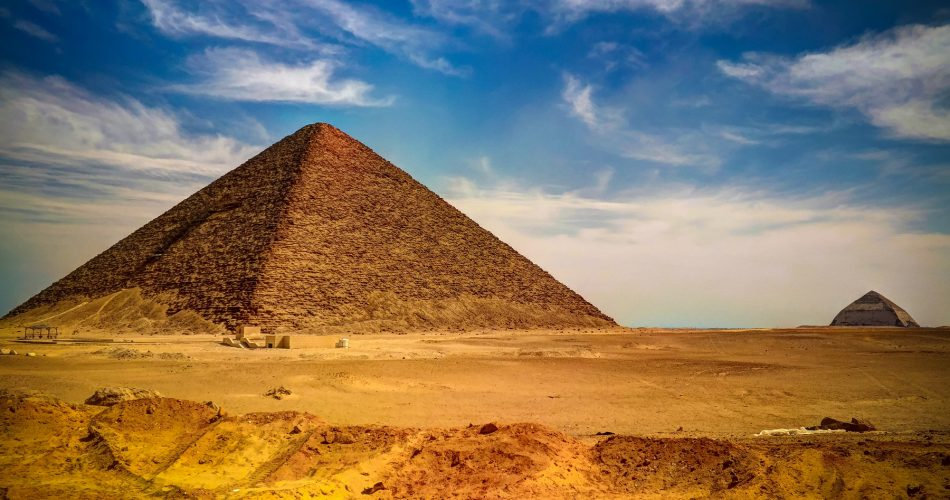
3. Red Pyramid of Sneferu, Dahshur, Egypt
The Red Pyramid, constructed during the reign of King Sneferu (c. 2600 BCE), is considered the first successfully completed true pyramid in ancient Egyptian history. Built primarily from locally quarried limestone, the monument represents a major technological achievement in the development of pyramid construction and provides important evidence for the evolution of ancient Egyptian engineering techniques. Conservation assessment, non-destructive testing (NDT), and material characterization studies focused on the physical and mechanical properties of the limestone blocks, weathering and deterioration processes, structural condition evaluation, and the long-term preservation of the monument within the Dahshur archaeological landscape.
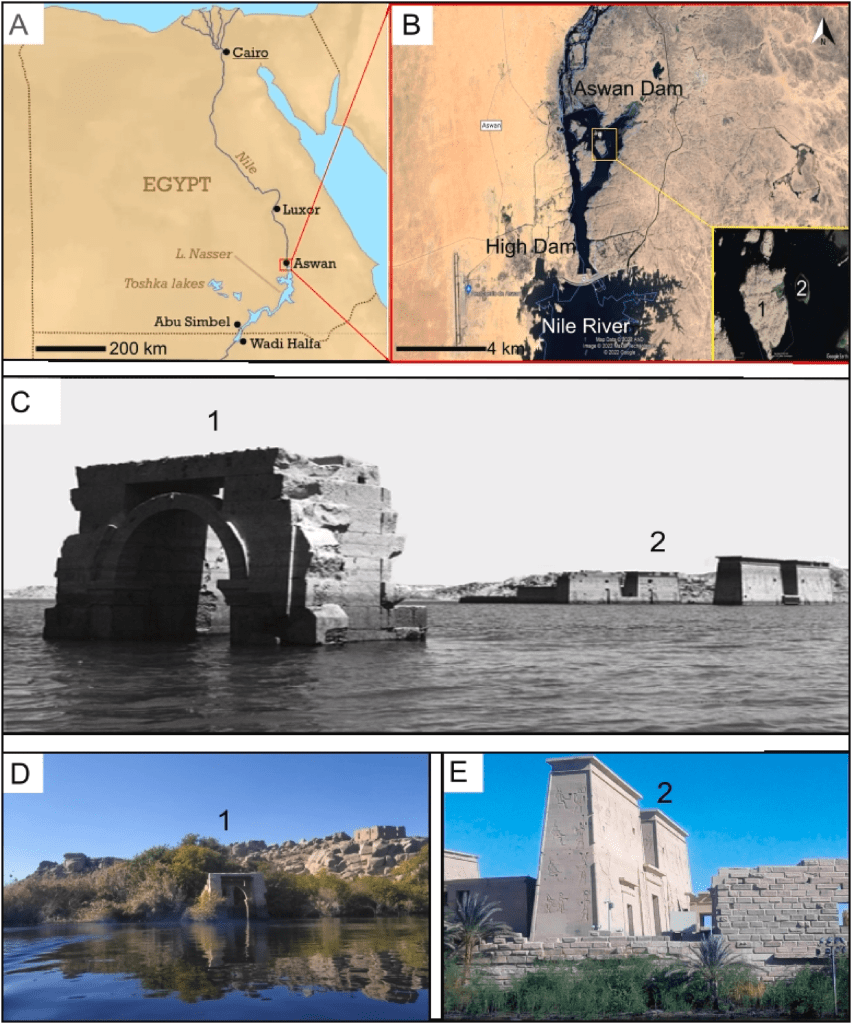
4. Philae Temples, Aswan, Egypt
Dedicated primarily to the goddess Isis, the temples of Philae represent one of the most significant sacred landscapes of the Greco-Roman period in Egypt. Conservation and material characterization studies focused on stone deterioration, environmental impacts, and the assessment of construction materials following the relocation of the monuments during the UNESCO rescue campaign.
5. Anfushi Tombs, Alexandria, Egypt
The Anfushi Tombs are among Alexandria’s most important Greco-Roman funerary monuments, reflecting a unique blend of Egyptian, Greek, and Roman artistic traditions. Conservation and material characterization studies examined limestone deterioration, environmental weathering, and the preservation challenges associated with the coastal setting.
6. Memphis Archaeological Sites, Egypt
Memphis, founded around 3100 BCE, served as the first capital of Ancient Egypt and remained a major political and religious center for centuries. Conservation and material characterization studies focused on archaeological building materials, weathering processes, and the preservation of the site’s extensive architectural remains.
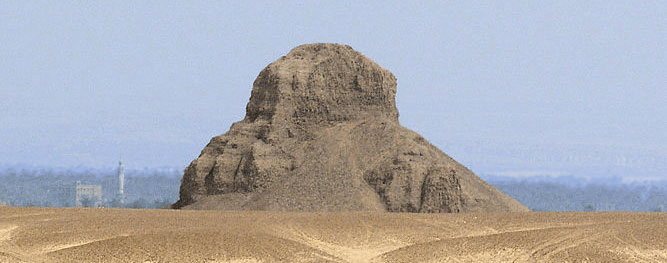
7. Black Pyramid of Amenemhat III, Dahshur, Egypt
Built during the Twelfth Dynasty, the Black Pyramid of Amenemhat III is one of the most significant monuments of the Middle Kingdom. Conservation and material characterization studies focused on the deterioration of mudbrick and stone elements, structural stability, and the effects of environmental factors on the preservation of the monument.
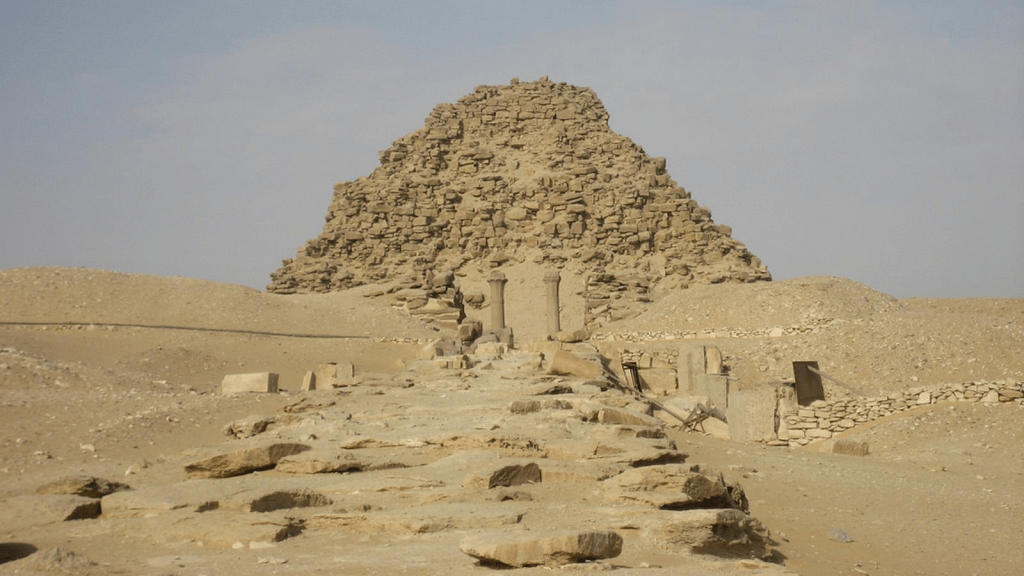
8. Pyramid of Sahure, Abusir, Egypt
The Pyramid of Sahure, constructed during Egypt’s Fifth Dynasty, is renowned for its architectural innovations and richly decorated reliefs. Conservation and material characterization studies examined limestone decay, structural conditions, and environmental deterioration affecting the pyramid complex.
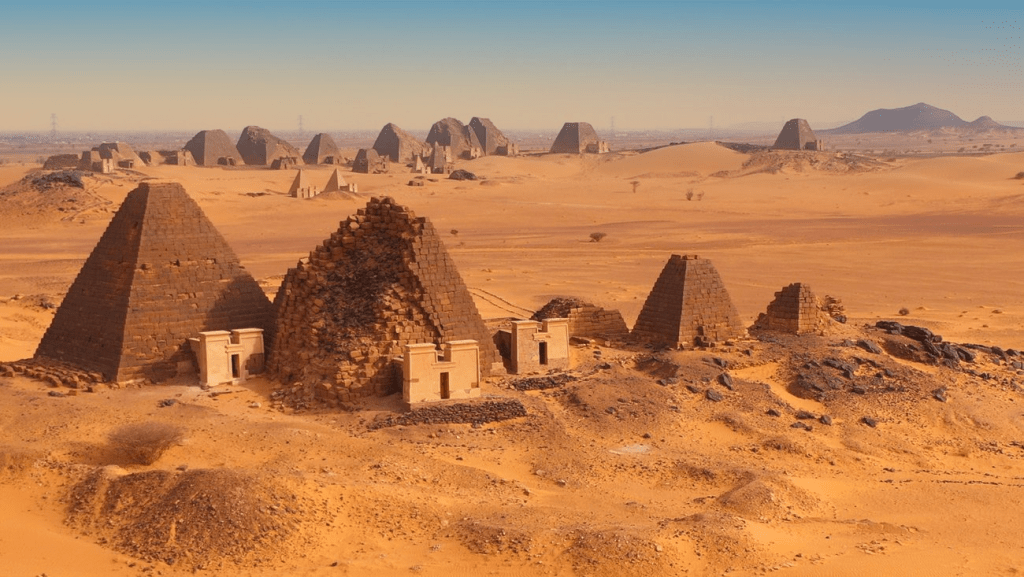
9. Pyramids of Meroë, Sudan
The Pyramids of Meroë were built by the rulers of the Kingdom of Kush between the third century BCE and fourth century CE and represent one of the most important archaeological landscapes in Africa. Conservation and material characterization studies investigated stone weathering, deterioration processes, and the preservation challenges associated with the desert environment.
10. Domus Romana, Rabat, Malta
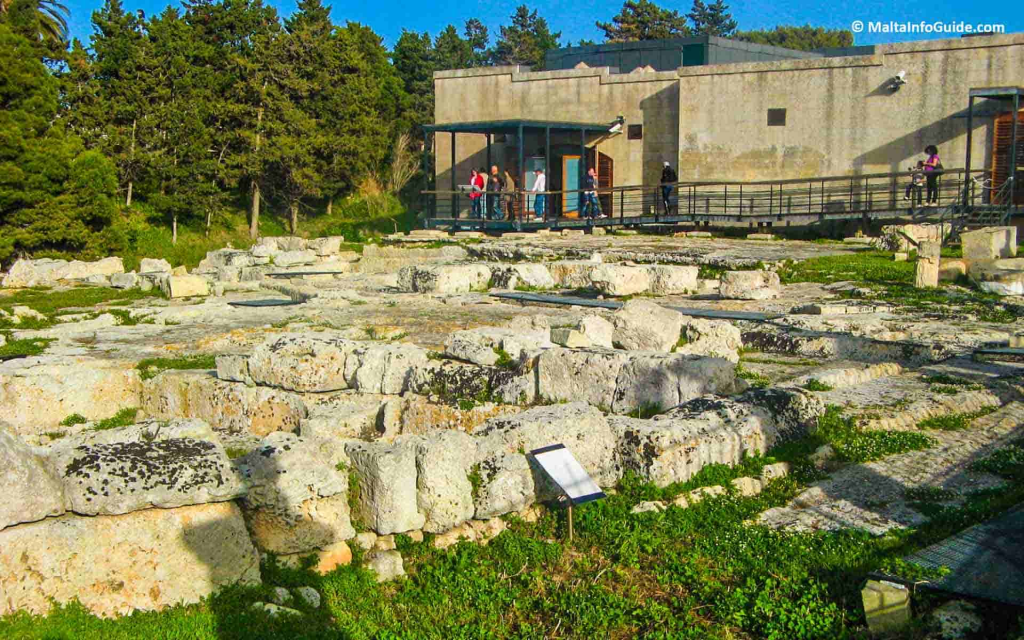
The Domus Romana is a Roman-period residence dating to the first century BCE and is famous for its well-preserved mosaics and architectural remains. Conservation and material characterization studies focused on stone materials, deterioration mechanisms, and environmental influences affecting the site’s preservation.
11. Ġgantija Temples, Gozo, Malta
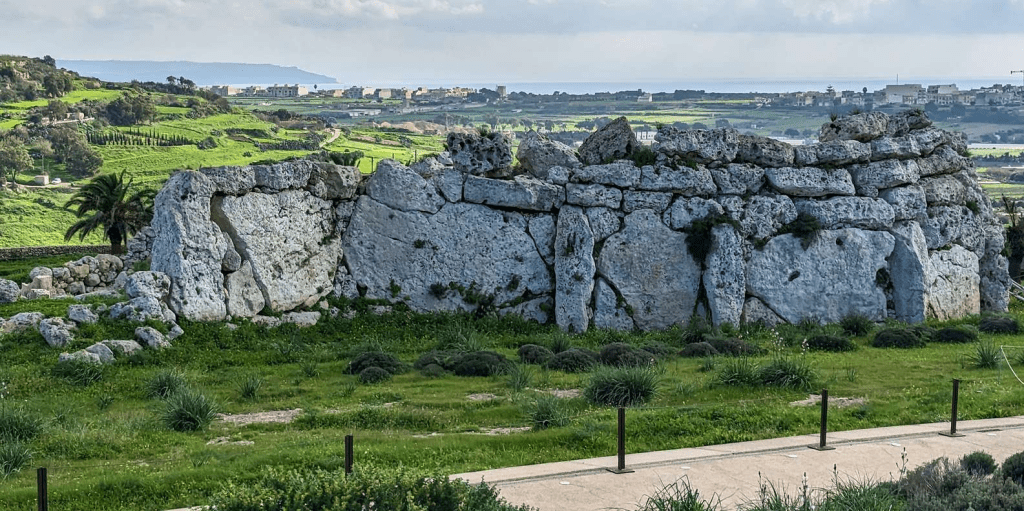
Dating to approximately 3600–3200 BCE, the Ġgantija Temples are among the oldest free-standing monumental structures in the world and form part of Malta’s UNESCO World Heritage archaeological heritage. Conservation and material characterization studies investigated limestone durability, weathering mechanisms, and the preservation of megalithic architecture.
12. Hundskirche Archaeological Site, Austria
Hundskirche is an important archaeological landscape preserving evidence of historic human activity and settlement. Conservation and material characterization studies examined archaeological materials, geological influences on preservation, and deterioration processes affecting the site.
13. Kleinbardorf and Unsleben Cemeteries, Bavaria, Germany
These early medieval cemeteries provide important evidence for burial traditions and settlement history in southern Germany. Geoarchaeological investigations and material characterization studies focused on burial environments, preservation conditions, and the interaction between geological and archaeological processes.
14. Saint-Jean Cemetery, Caen, France
The Saint-Jean Cemetery represents an important archaeological resource for understanding medieval and post-medieval burial practices in Normandy. Conservation and material characterization studies investigated burial environments, skeletal preservation, and archaeological site formation processes.
15. National Museum of Bosnia and Herzegovina, Sarajevo
Established in 1888, the National Museum of Bosnia and Herzegovina houses some of the most significant archaeological collections in Southeast Europe, including an important collection of medieval stećci tombstones. Conservation assessment, material characterization, and non-destructive testing (NDT) studies were undertaken to evaluate the condition and preservation requirements of stone artifacts and museum collections.
16. Kopčići Stećci Necropolis, Bosnia and Herzegovina
The Kopčići Necropolis contains medieval stećci tombstones that form part of the UNESCO World Heritage property “Stećci Medieval Tombstone Graveyards.” Conservation assessment, non-destructive testing (NDT), and material characterization studies focused on stone deterioration, biological colonization, weathering processes, and the current conservation condition of the monuments.
17. Križevići Stećci Necropolis, Bosnia and Herzegovina
The Križevići Necropolis preserves an important collection of medieval stećci monuments that reflect the cultural traditions of the western Balkans between the 12th and 16th centuries. Conservation assessment, non-destructive testing (NDT), and material characterization studies investigated stone decay mechanisms, surface weathering, and preservation conditions.
18. Perućac Stećci Site, Serbia
The Perućac Stećci Site contains medieval funerary monuments that represent a unique component of the shared cultural heritage of the Balkans. Conservation assessment, non-destructive testing (NDT), and material characterization studies focused on evaluating deterioration patterns, stone properties, and environmental impacts affecting monument preservation.
19. Žugića Bare Stećci Site, Žabljak, Montenegro
Located within the mountainous landscape of northern Montenegro, the Žugića Bare Necropolis contains medieval stećci tombstones of exceptional historical significance. Conservation assessment, non-destructive testing (NDT), and material characterization studies examined stone weathering, deterioration mechanisms, and the conservation condition of the monuments.
 Dr. Abdelrhman Fahmy Archaeology